Way of Flowers
Generative digital art meets biodiversity stewardship
Where digital life blooms, ecosystems thrive
A living artwork where generative digital flora responds to real-world ecological regeneration
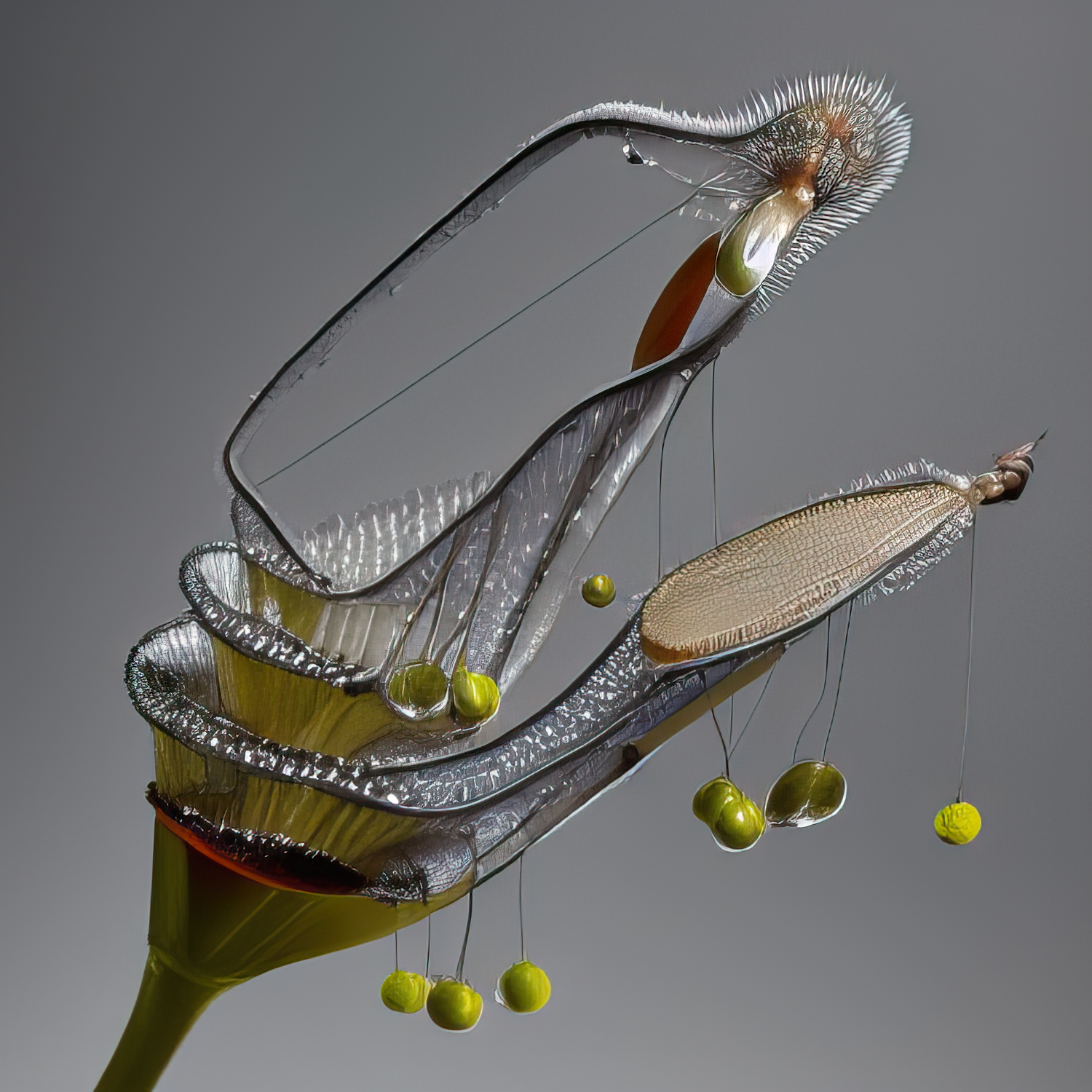
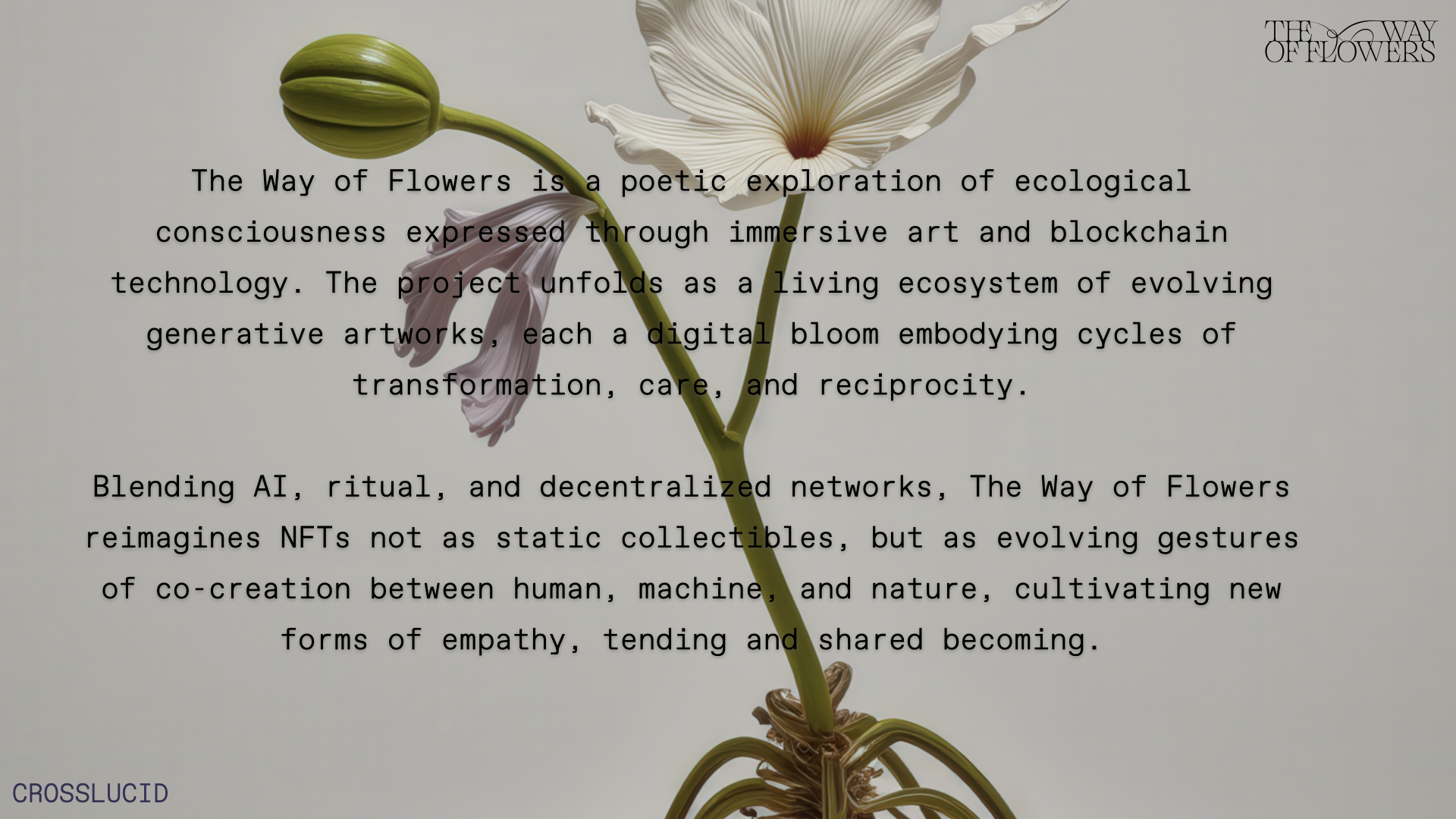
The Way of Flowers reimagines ecological art, creating a space where digital plant-beings evolve alongside the ecosystems they help to restore. Each interaction, every collector’s or community participant’s biodiversity project contribution, translates into measurable ecological impact, shaping both the digital artwork and the living landscapes it supports.
Conceived by the artist collective CROSSLUCID and curated in collaboration with ArtEcology, this project fuses AI-driven generative design with high-quality biodiversity investments across six global bioregions—from California vineyards to Colombian cloud forests, Brazilian wetlands to English farmland. By integrating ecological stewardship into artistic creation, the project demonstrates a radical notion: that art can be caring, capable of generating material, verifiable environmental consequences.
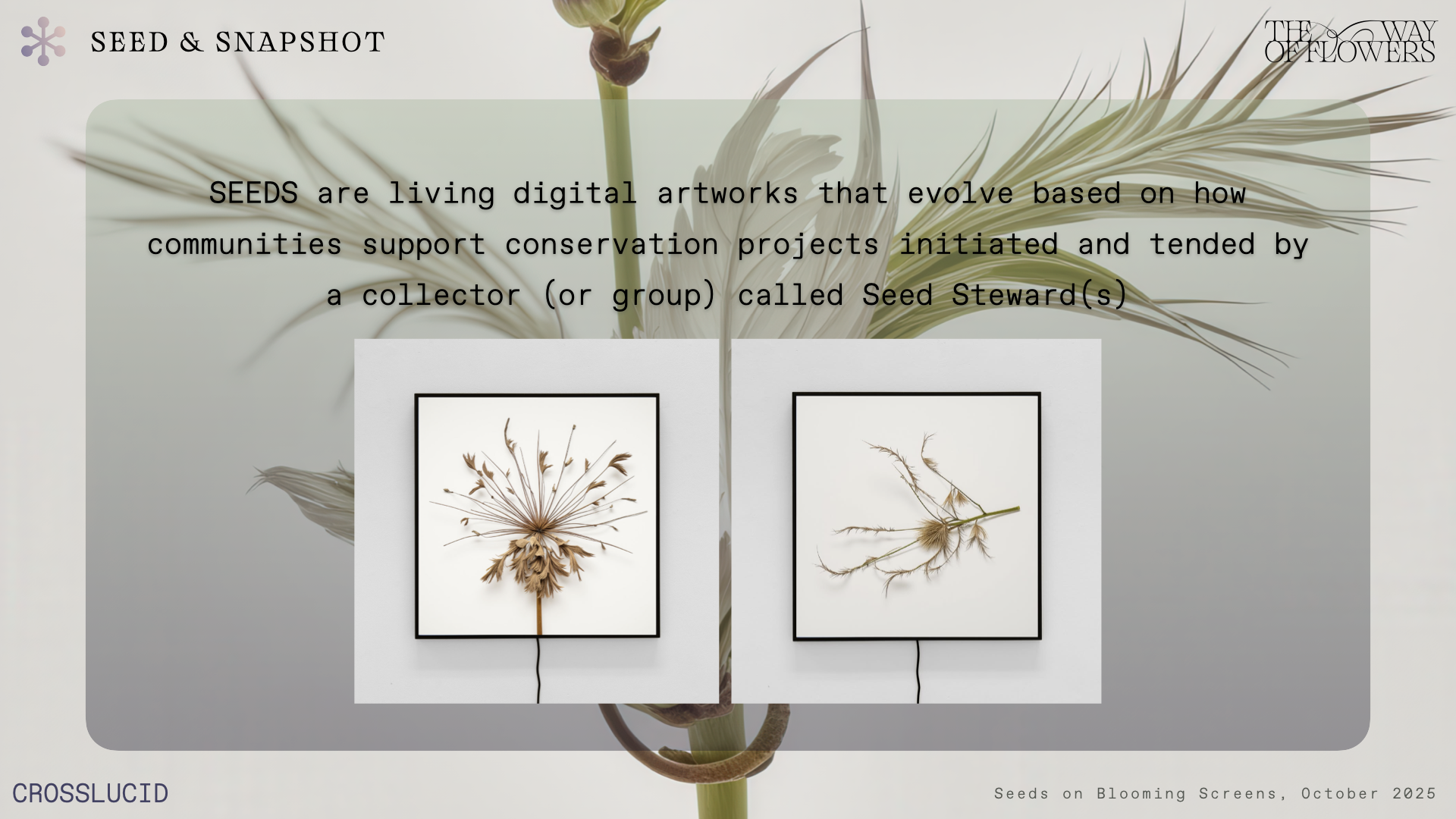
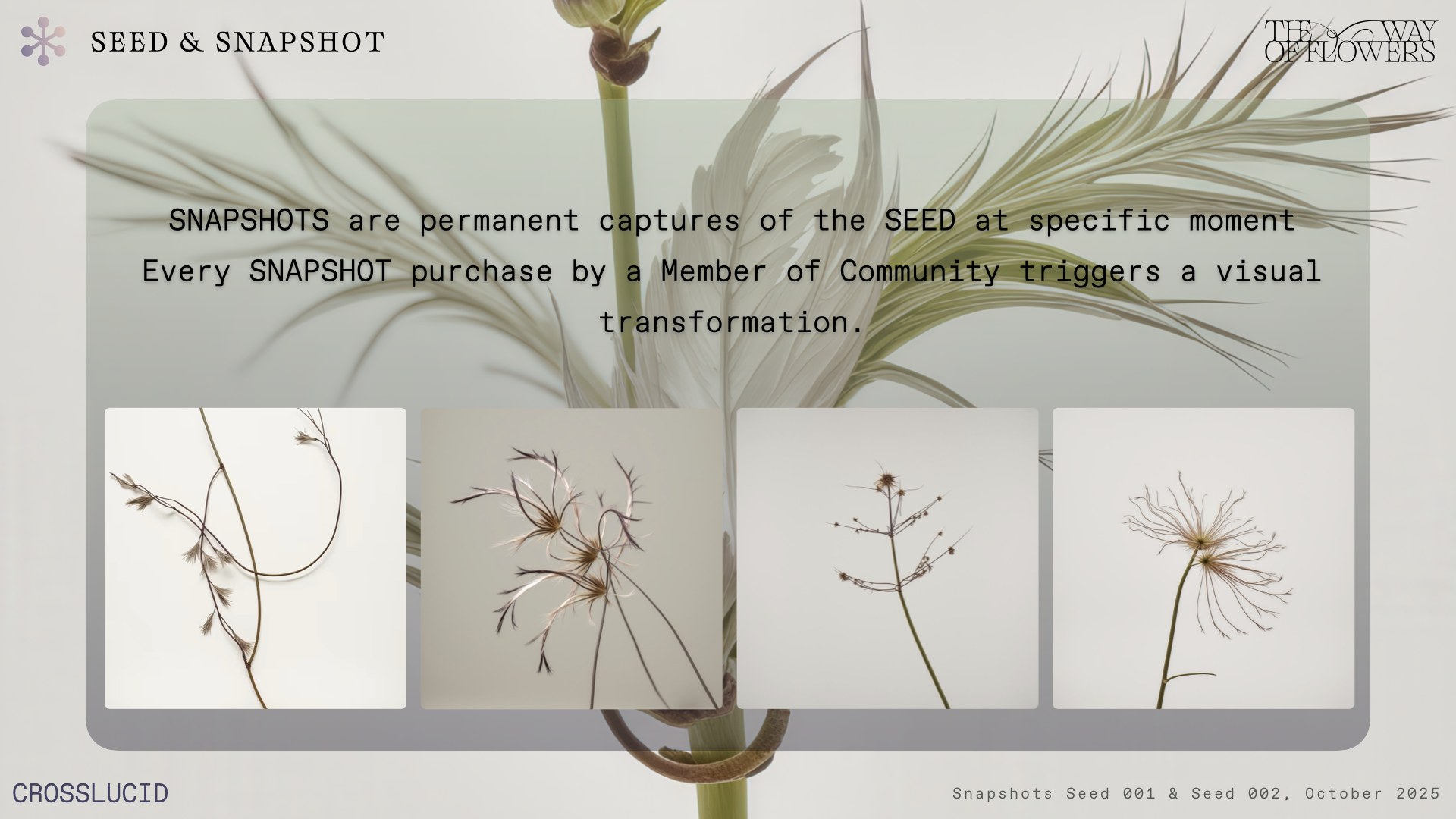
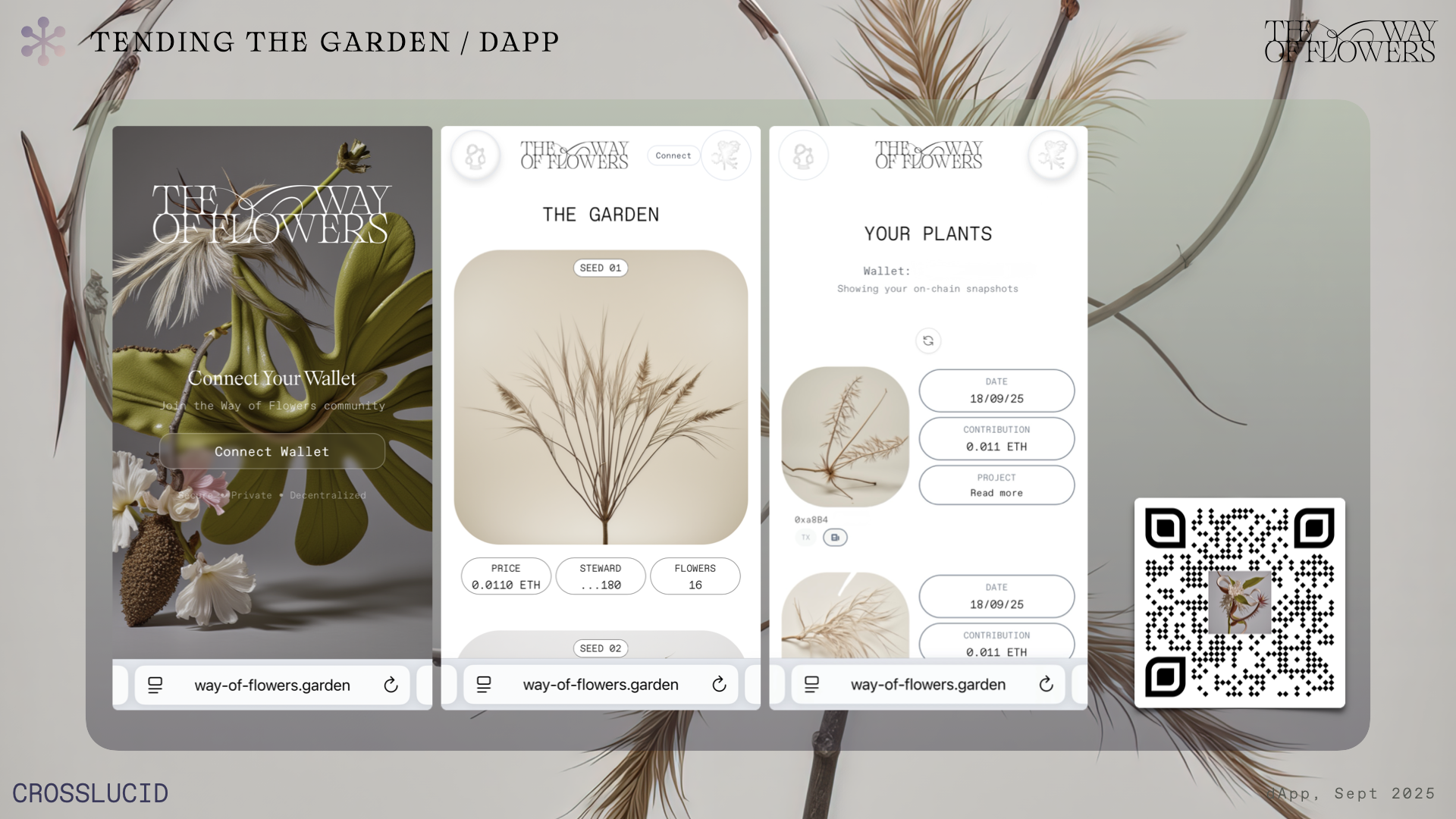
The project begins with a cohort of “Seeders” whose digital seeds initiate an ecosystem of participation. Community contributors then nurture the seeds, each biodiversity project contribution activating visual traits drawn from the plants in the bioregions of the underlying conservation projects. Over time, the digital garden grows and plants evolve as a living record of collective stewardship.
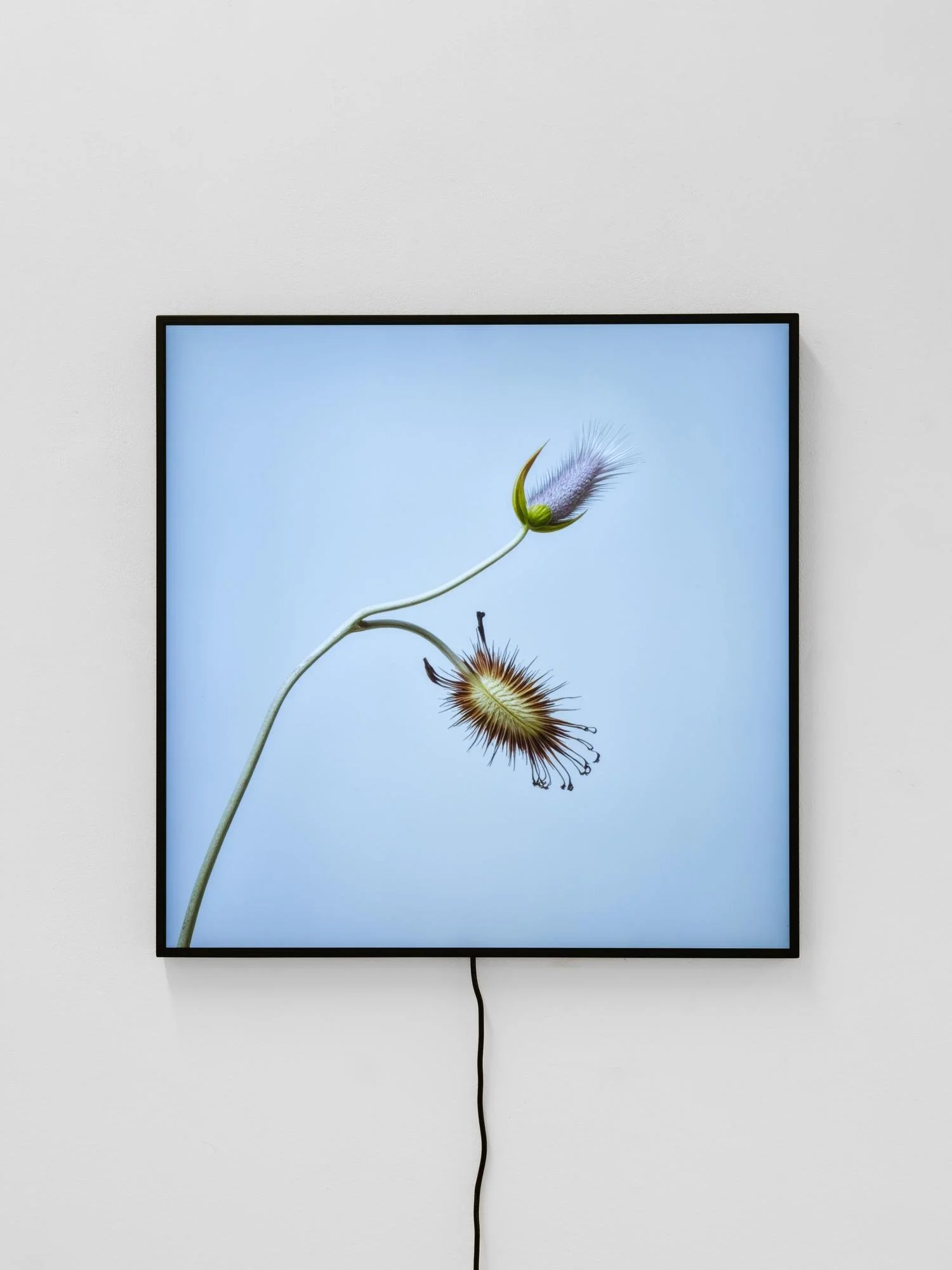
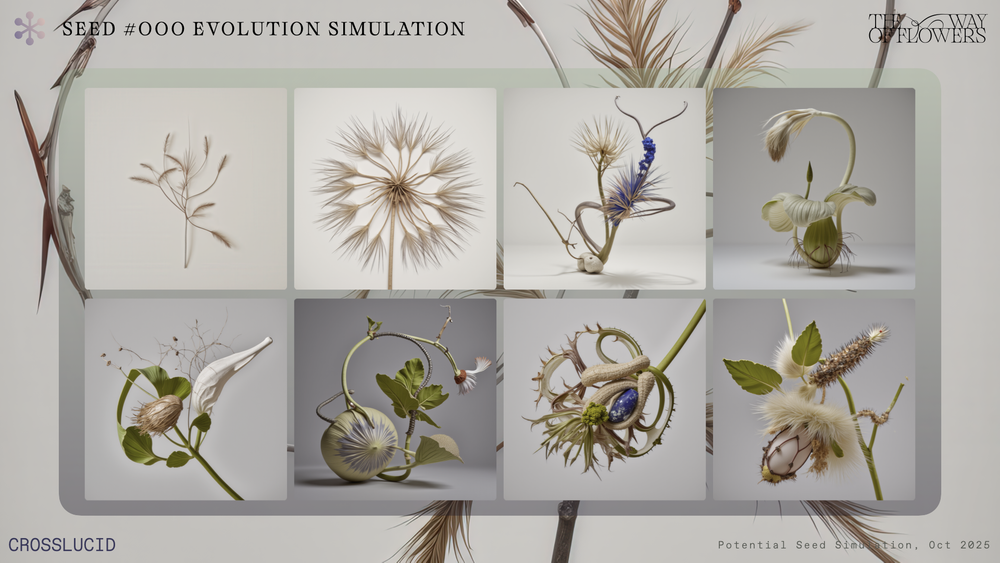
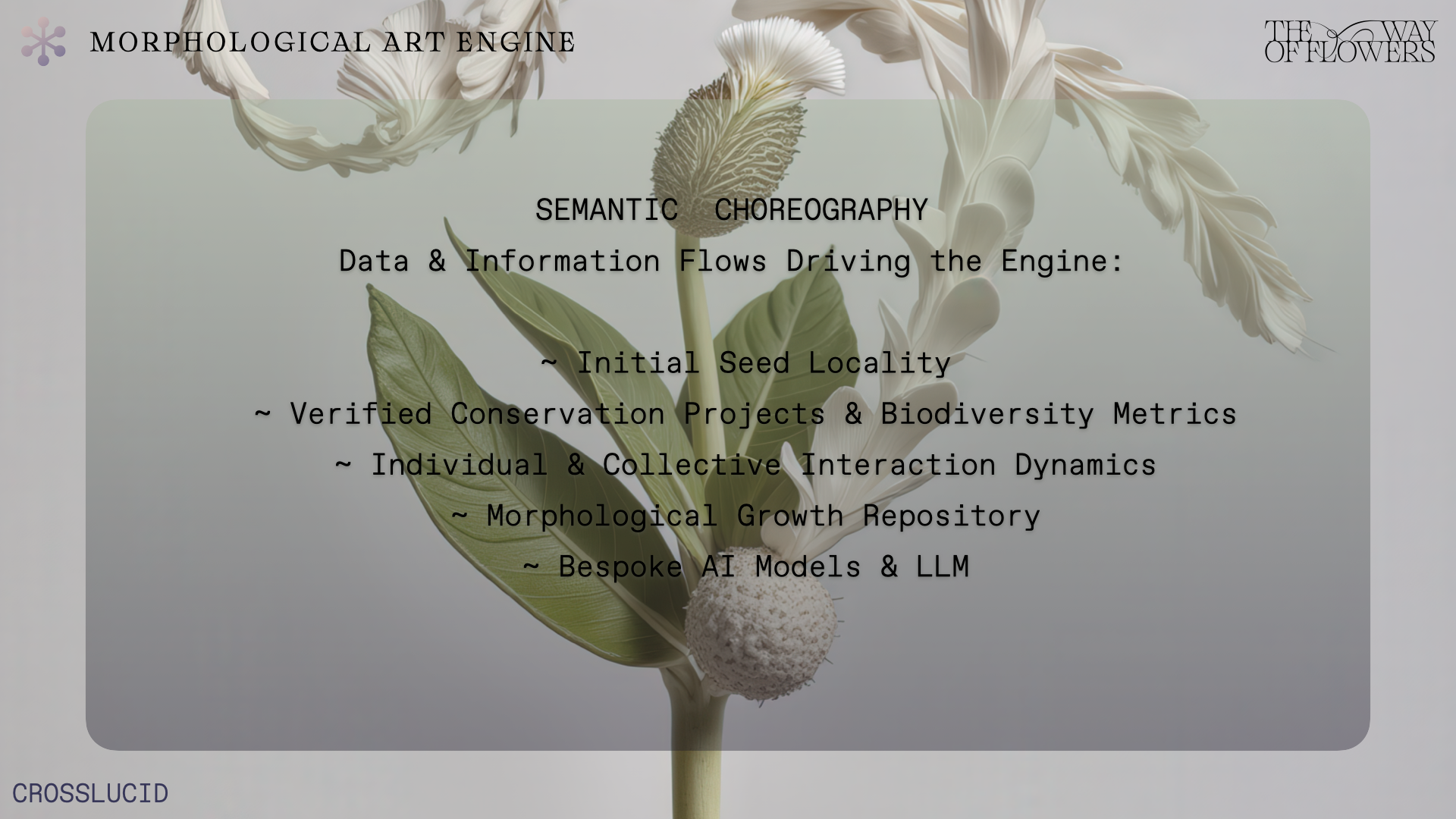
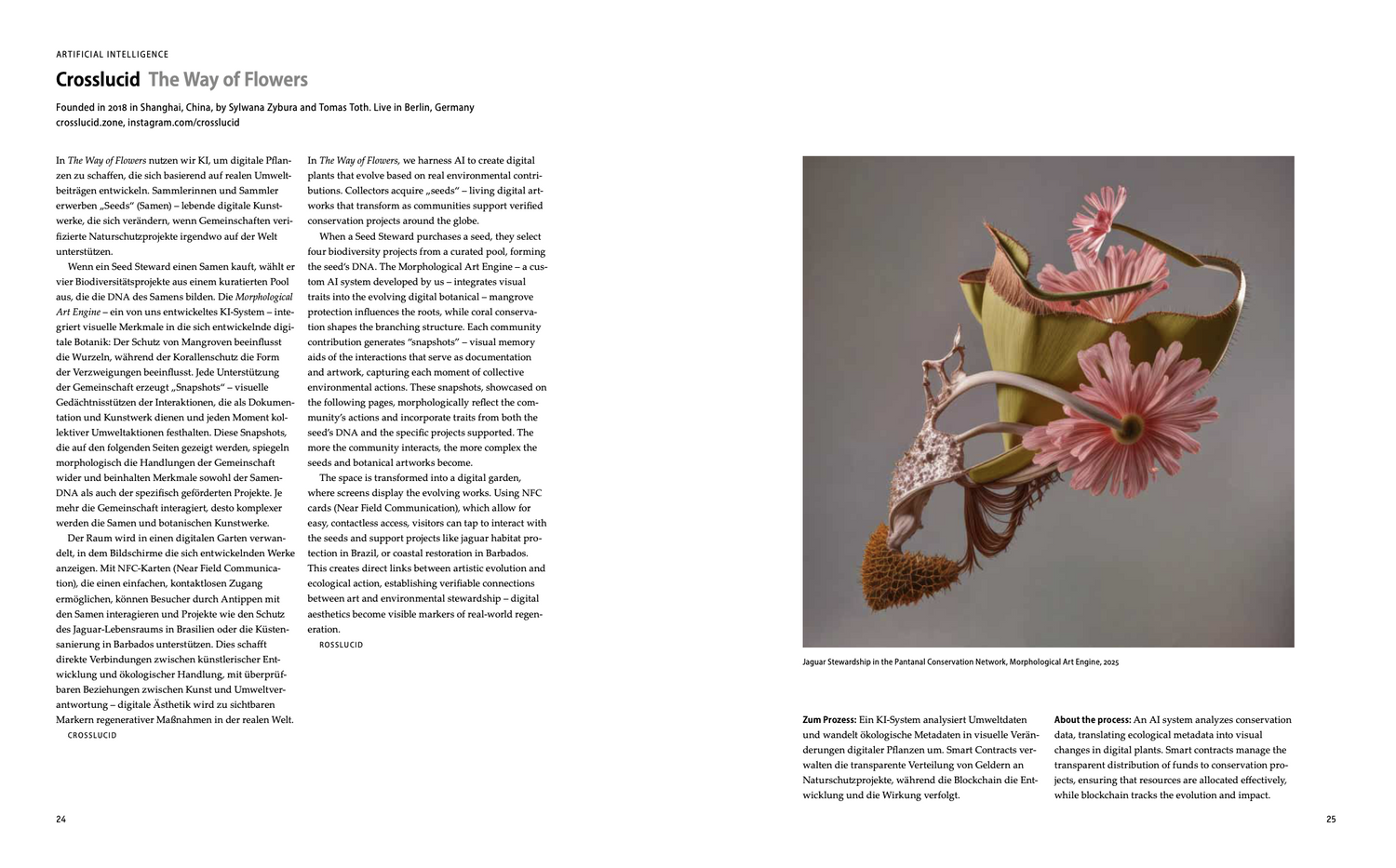
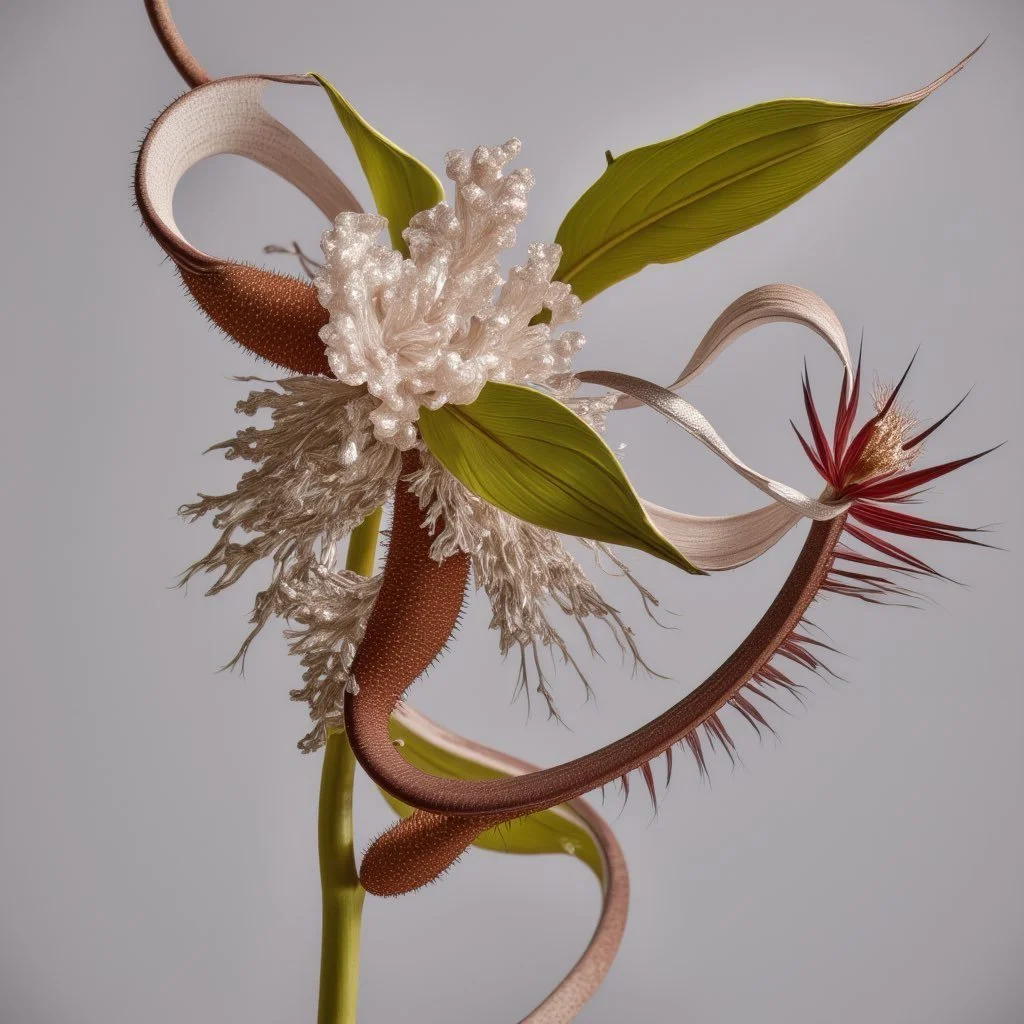
The Morphological Art Engine, a bespoke AI pipeline developed by CROSSLUCID, interprets ecological data to evolve the plants’ structures, colors, and branching patterns. Each transformation is not arbitrary, it mirrors the real-world biodiversity interventions participants are funding, from the chaparral of California to Andean cloud forests, tropical wetlands, and temperate woodlands. Through this, the artwork becomes both a poetic reflection of ecological care and a dynamic medium of measurable ecological impact.
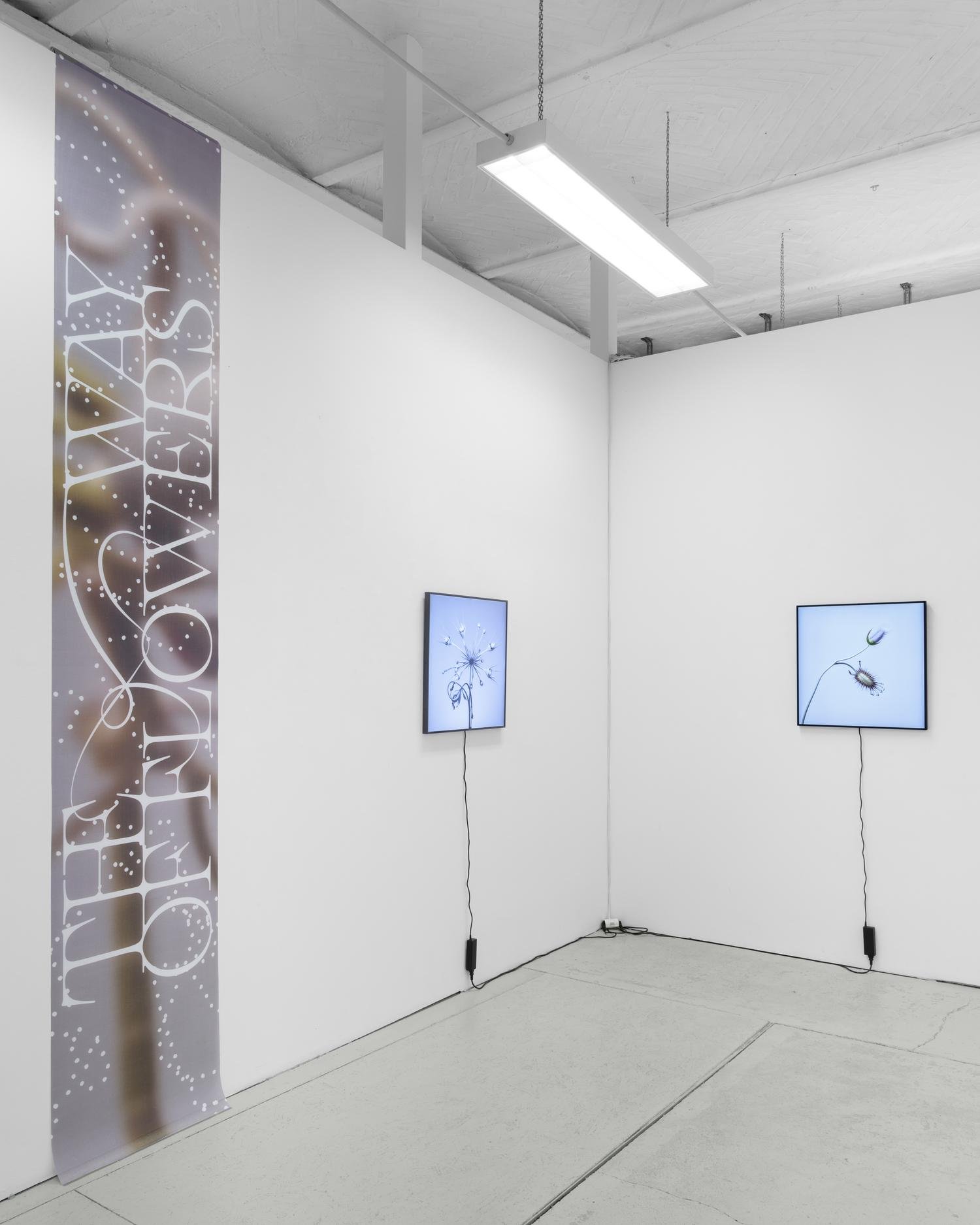
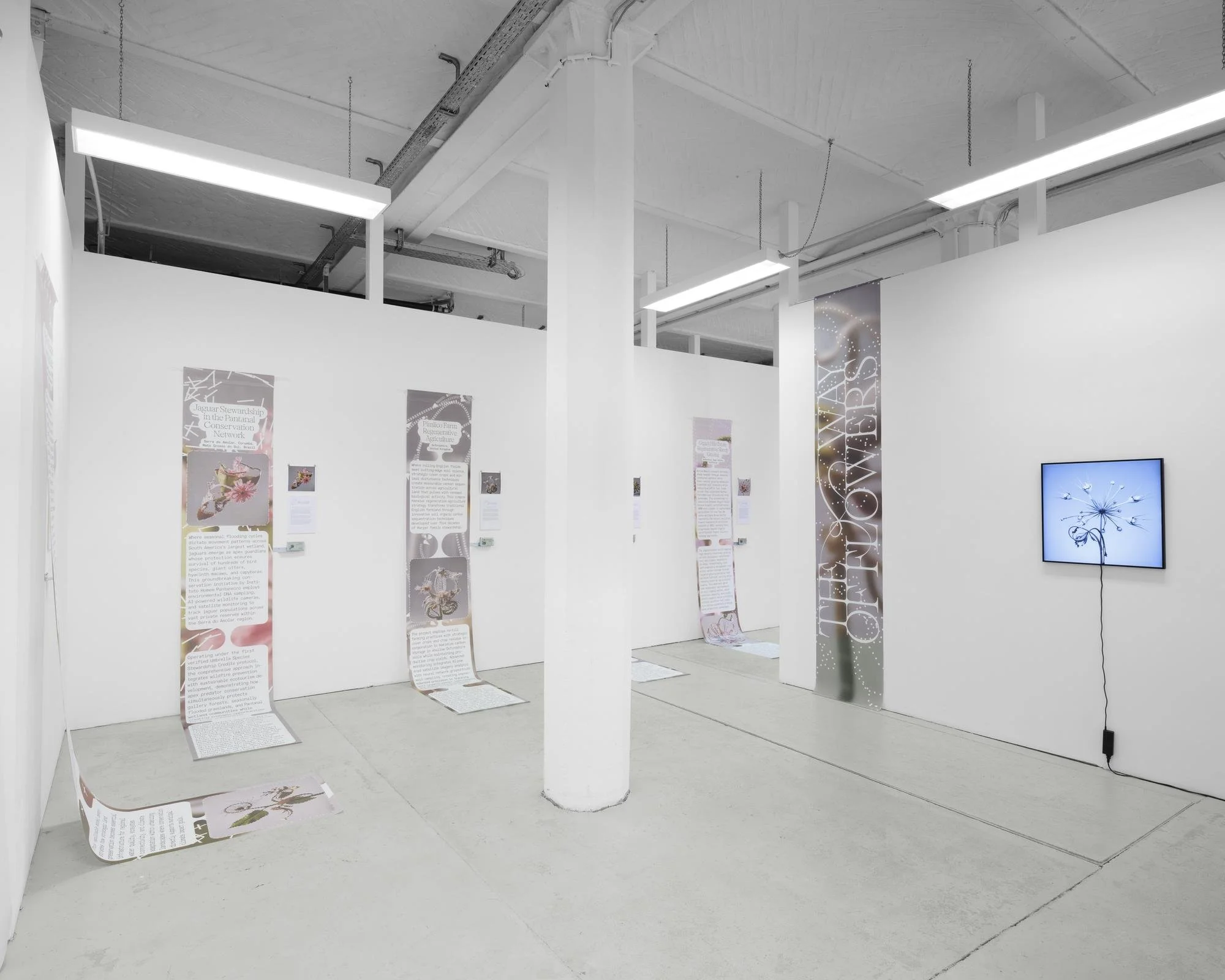
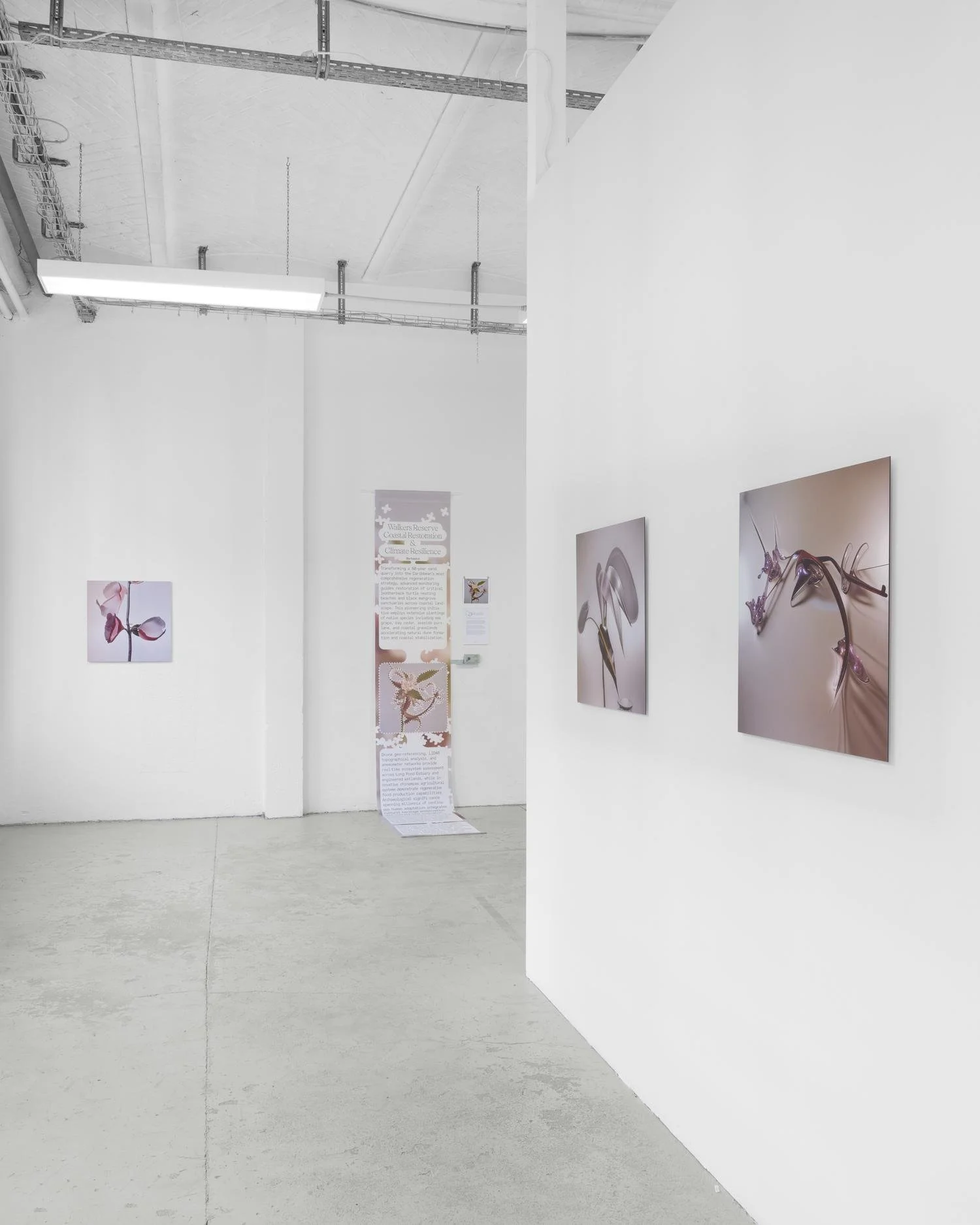
Digital plants bloom on screens, coexisting with living plants and physical artworks, offering a tangible encounter with ecological temporality, growth, and the collective act of restoration.
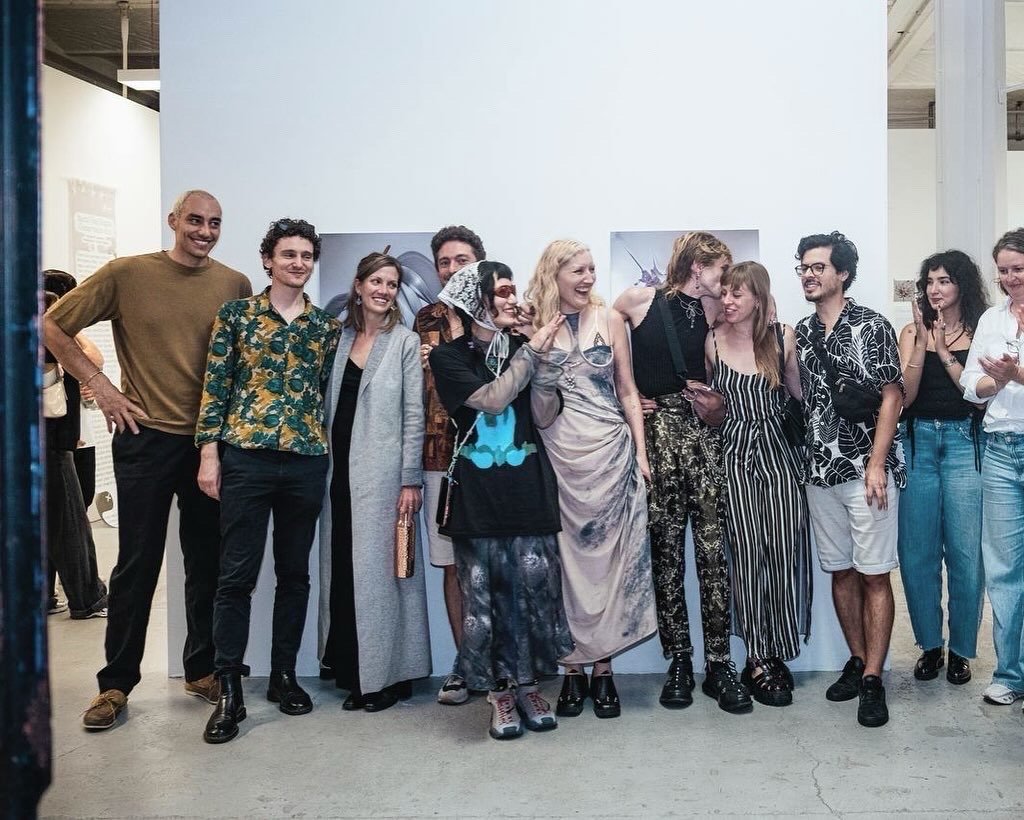
In collaboration with CROSSLUCID, ArtEcology guided the ecological and technical vision for Way of Flowers, curating a portfolio of eight rigorously vetted biodiversity projects to ensure each digital seed corresponded to meaningful real-world conservation outcomes. Our work included biodiversity project curation, selecting globally significant regeneration initiatives across six bioregions, prioritizing scientific rigor, verification, and transformative ecological impact; product and technical Design, advising CROSSLUCID on the use cases, token structures, and ecological data flows that link digital evolution to real-world regeneration; storytelling and launch support, crafting narratives that communicate the living artwork’s connection to biodiversity and supporting the gallery presentation at Office Impart, Berlin.
Through these efforts, ArtEcology helped translate ecological complexity into a visual language accessible to both collectors and participants, where each interaction triggers the digital plant’s morphological transformation—a reflection of the biodiversity it supports.
Each curated biodiversity project infuses the digital artwork with its unique ecological signature:
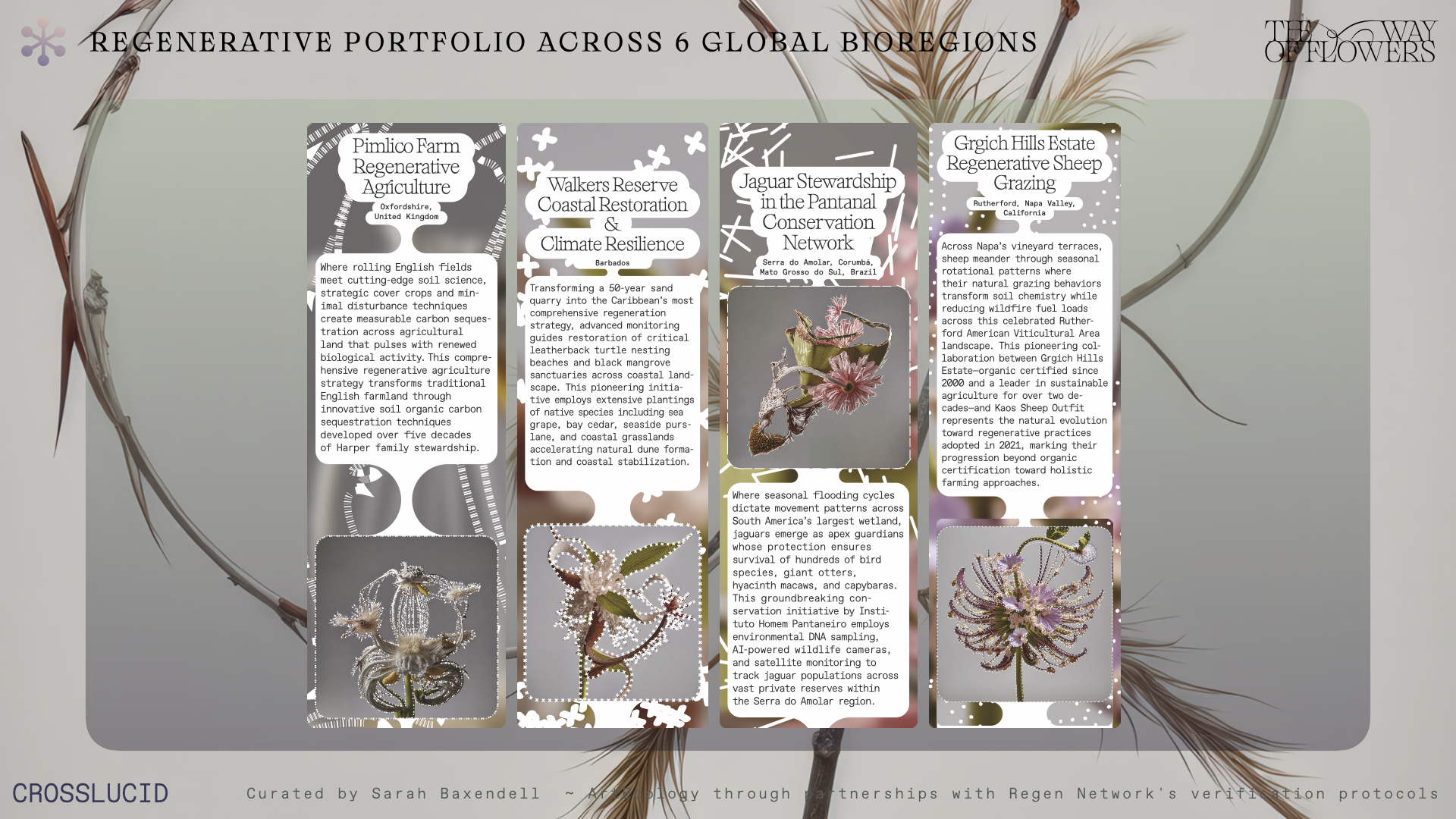
Grgich Hills Estate, California, US: Grasslands and chaparral flora inform the digital plant’s branching patterns and textures, reflecting vineyard soil regeneration and precision grazing practices with sheep from Kaos Sheep Outfit.
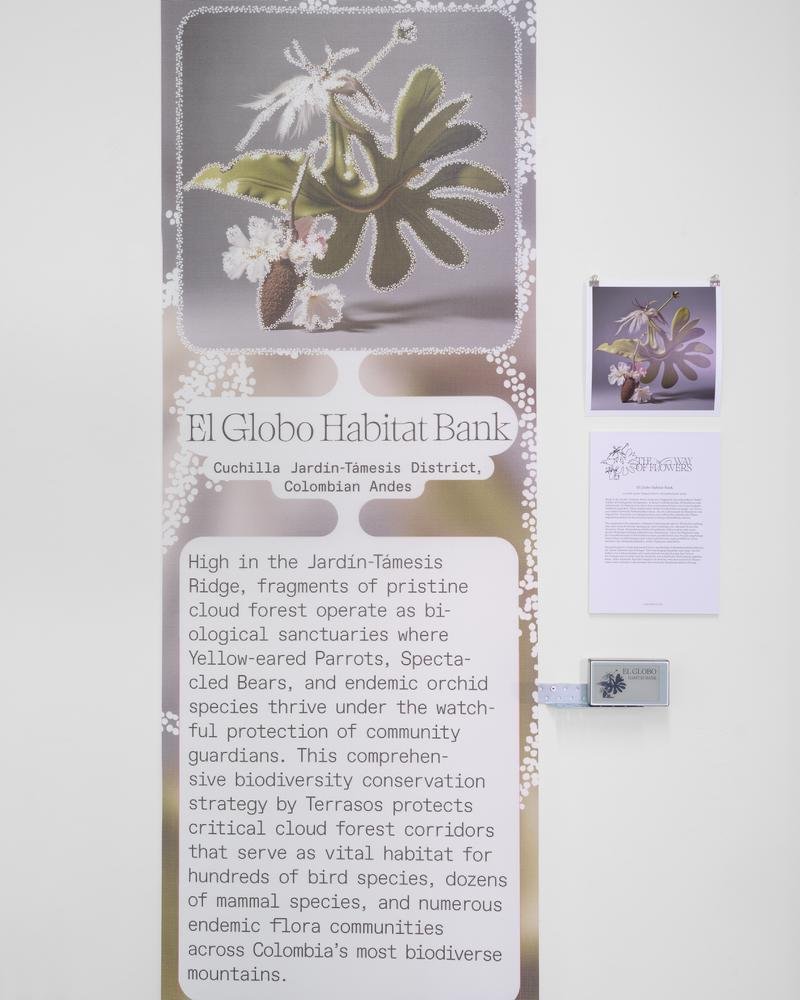
El Globo Habitat Bank, Colombian Andes: High-altitude cloud forest species translate into vibrant epiphytic structures and color palettes, echoing forest restoration and endangered species protection from 365 preserved and restored hectares, protecting more than 290 bird species, 76 mammal species, 8 amphibian species, 24 reptile species, 12 bony fish species, and 29 butterfly species in a vital biological corridor project led by Terrasos
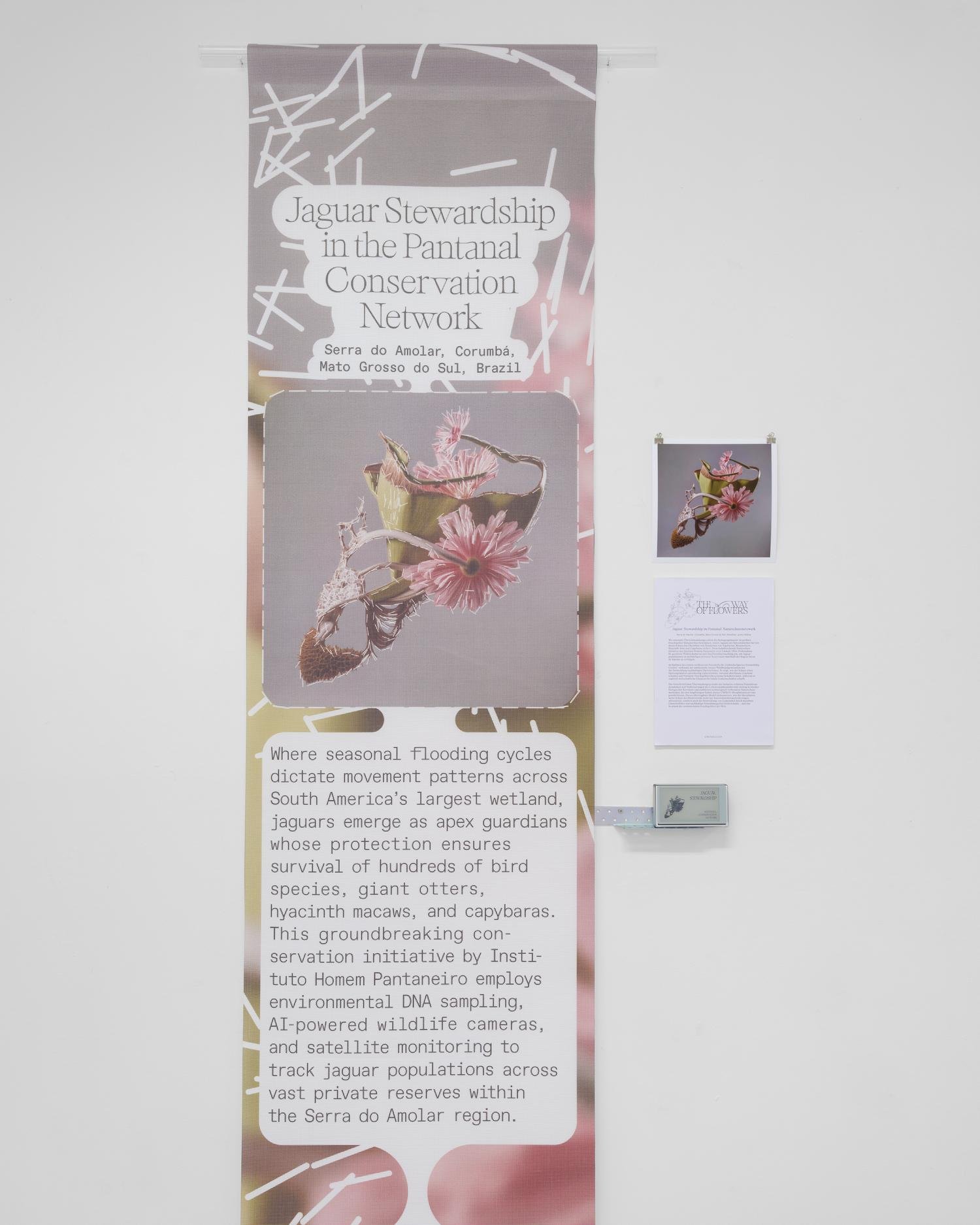
Jaguar Stewardship in the Pantanal Conservation Network, Brazil: Wetland and gallery forest vegetation inspire fluid, meandering forms and seasonal rhythms within the digital flora, mirroring apex predator habitat conservation led by Ecosystem Regeneration Associates (ERABrazil)
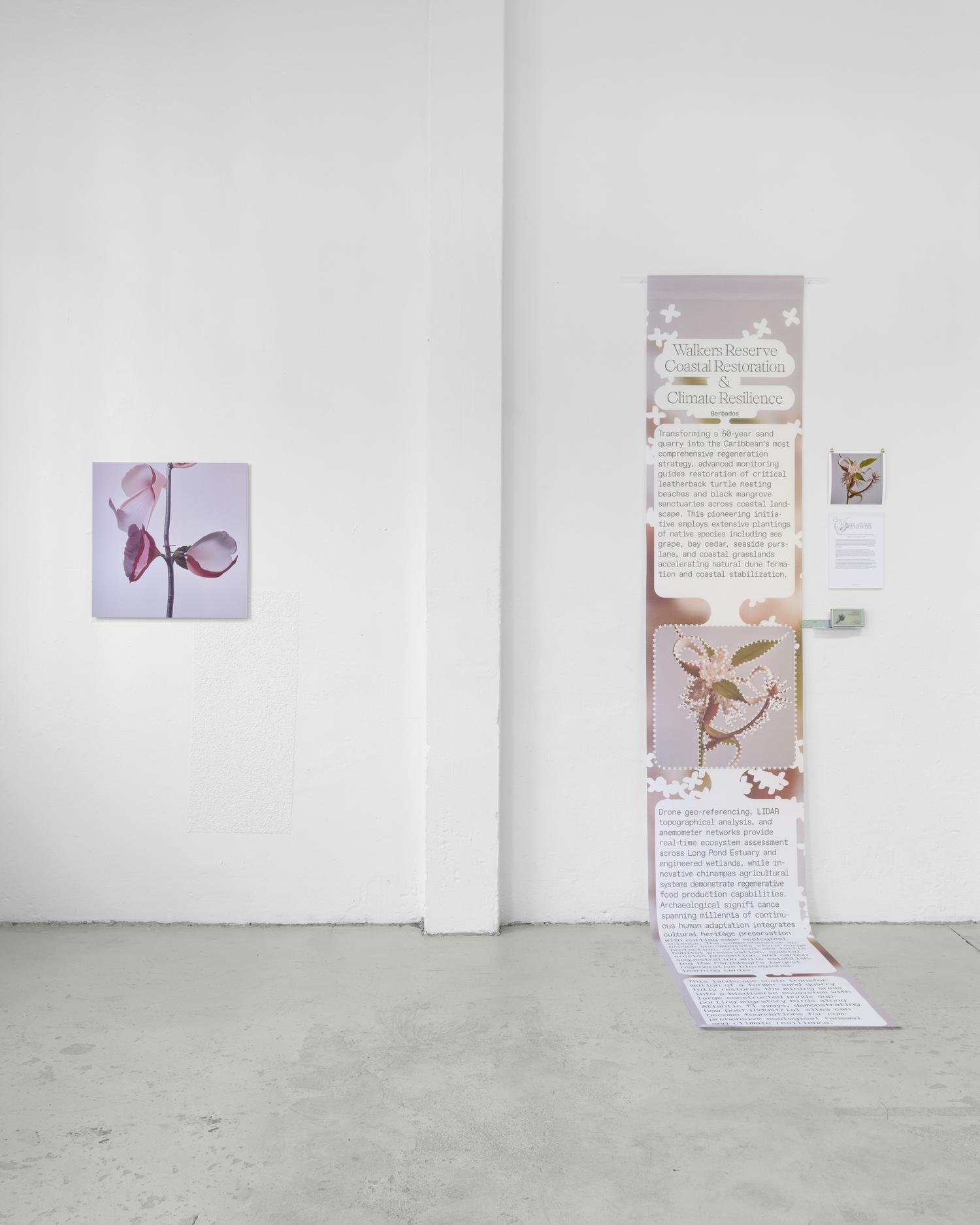
Walkers Reserve, Barbados: Coastal dune stabilization and pioneer species inform dynamic, sand-and-wind inspired morphologies, echoing coral, mangrove, and estuarine systems in the Caribbean's largest landscape regeneration project and bioregional biodiversity protection education hub
Pimlico Farm, Oxfordshire, UK: Hedgerows and cover crops translate into layered, modular forms that reflect regenerative soil and crop stewardship in regenerative agriculture initiatives at heritage family farms, led by Ecometric
Harvey Manning Park, Washington, US: Temperate rainforest layers, from towering Douglas Firs to understory species, create structural depth in the digital plant, evoking forest connectivity, protecting century-old forests within the “Issaquah Alps” mountain system
St. Elmo Preservation, Tennessee, US: Appalachian oak-pine forests influence digital branching hierarchies and color subtleties, representing habitat corridors and community stewardship in one of the world’s most diverse and critically imperiled ecoregions
Additional Curated Bioregions: Each selected ecosystem contributes a distinct “signature” to the evolving botanical system, amplifying biodiversity and aesthetic richness.
Way of Flowers marks ArtEcology’s first foray into digital art, extending our practice beyond conservation finance and ecological design into the realm of generative storytelling. The project demonstrates the seamless union of art and ecology, where digital forms are inseparable from real-world ecological outcomes, making care and creativity mutually generative. Participants’ actions, whether small contributions or Seed stewardship, become encoded into the living system, rendering ecological engagement visible, tangible, and permanent.
At the same time, it presents a new model for portfolio engagement, showing how art can catalyze biodiversity protection while delivering dynamic, evolving aesthetics. In this way, Way of Flowers functions simultaneously as artwork and impact platform, inviting curators, collectors, and collaborators to witness and participate in the symbiosis of digital creation and ecological regeneration.
PROJECT TYPE
Digital Art Collaboration, Finance for Nature, Brand & Storytelling
LOCATION
Berlin, Germany; digital, six global bioregions
YEAR
2025 - 2026
BIODIVERSITY PROJECTS SUPPORTED
Grgich Hills Estate (California, US), El Globo Habitat Bank (Colombian Andes), Jaguar Stewardship, Pantanal (Brazil), Walkers Reserve (Barbados), Pimlico Farm (Oxfordshire, UK), Harvey Manning Park (Washington, US), St. Elmo Preservation (Tennessee, US), additional global bioregions
COLLECTIVE MEMBERS
Sarah Baxendell
PARTNERS + FUNDERS
CROSSLUCID (Sylwana Zybura & Tomas Toth), Office Impart, Regen Network, Grgich Hills Estate, Fibershed, Kaos Sheep Outfit, El Globo Habitat Bank, Terrasos, Colombian Ministry of Environment, Jaguar Stewardship, ERA Brazil, Buena Vista Heights Conservation Area, Allegheny Land Trust, City Forest Credits Registry, Walkers Reserve, WIRRED, Pimlico Farm, Ecometric, Harper family, Harvey Manning Park Extension, City of Issaquah, King County, Trust for Public Land, St. Elmo Preservation Project, Lookout Mountain Conservancy, The Howard School
ROLES
Ecological project curation, technical use case design, partnership development, storytelling, exhibition support
PRESS
Right Click Save